

27
2025
-
09
The Science Behind Automatic Stretch Film Wrapping: What You Need to Know
The Science Behind Automatic Stretch Film Wrapping: What You Need to Know Table of Contents Introduction to Automatic Stretch Film Wrapping Understanding Stretch Film: Types and Characteristics The Mechanics of Automatic Stretch Film Wrapping Advantages of Automatic Stretch Film Wrapping Applications of Stretch Film in Various Industries Maintenance and Saf
The Science Behind Automatic Stretch Film Wrapping: What You Need to Know
Table of Contents
- Introduction to Automatic Stretch Film Wrapping
- Understanding Stretch Film: Types and Characteristics
- The Mechanics of Automatic Stretch Film Wrapping
- Advantages of Automatic Stretch Film Wrapping
- Applications of Stretch Film in Various Industries
- Maintenance and Safety in Stretch Film Wrapping
- The Future of Stretch Film Technology
- Conclusion
- Frequently Asked Questions
Introduction to Automatic Stretch Film Wrapping
In the modern manufacturing landscape, packaging plays a pivotal role in product protection, logistics efficiency, and cost management. Among the most effective packaging solutions is **automatic stretch film wrapping**. This technology utilizes elastic plastic film to secure products on pallets, providing stability during storage and transportation. As we delve deeper into the science behind automatic stretch film wrapping, we will explore its mechanisms, advantages, applications, and future trends.
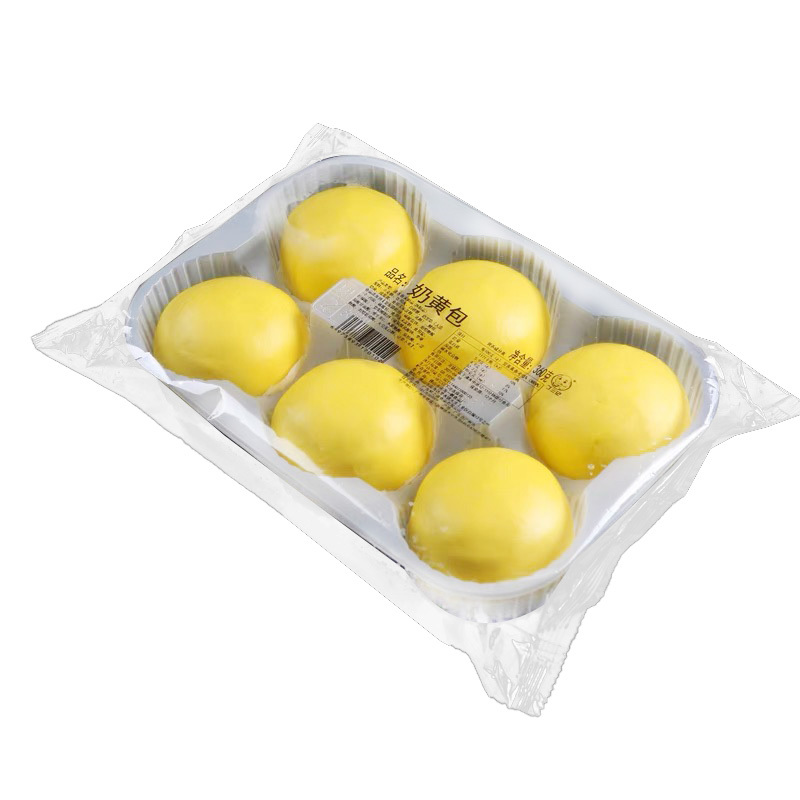
Understanding Stretch Film: Types and Characteristics
Stretch film is a highly stretchable plastic film that is often used to wrap materials for storage and shipment. The primary types of stretch film include:
1. Cast Stretch Film
Cast stretch film is produced through a continuous casting process. Its primary characteristics include:
- Excellent clarity and transparency.
- High puncture resistance and cling properties.
- Good memory, allowing it to revert to its original shape after being stretched.
2. Blown Stretch Film
Blown stretch film is made by blowing molten polymer into a bubble, which is then flattened to form a film. Key features include:
- Greater strength and durability compared to cast film.
- Higher resistance to tearing and puncturing.
- More stretchy, making it suitable for heavy loads.
3. Vented Stretch Film
Vented stretch film has pre-made holes that allow air to escape during the wrapping process. This film is ideal for packaging products that need ventilation, such as fresh produce.
4. Specialty Stretch Film
This category includes films with unique properties, such as UV resistance, anti-static features, or custom colors, catering to specific industry needs.
Understanding these types of stretch films helps manufacturers choose the right material for their packaging requirements, enhancing efficiency and product protection.
The Mechanics of Automatic Stretch Film Wrapping
Automatic stretch film wrapping machines utilize advanced technology to optimize the wrapping process. The key components include:
1. Film Dispensing System
This system feeds the stretch film into the wrapping area. It can be equipped with electronic controls that adjust the film tension and amount used based on the load size.
2. Pre-Stretch Mechanism
Most machines feature a pre-stretch unit that stretches the film before application. This increases the film's holding force and reduces the amount of material needed, resulting in cost savings.
3. Wrapping Arm
The wrapping arm rotates around the load, dispensing film as it goes. The speed and number of wraps can be adjusted based on the product's requirements.
4. Load Stabilization
Once wrapped, the film creates a tight seal around the product, preventing movement during transportation. This stabilization is crucial for reducing damage and ensuring product integrity.
Advantages of Automatic Stretch Film Wrapping
The benefits of implementing automatic stretch film wrapping in manufacturing processes are substantial:
1. Increased Efficiency
Automatic machines wrap products quickly and consistently, significantly outpacing manual wrapping processes. This efficiency leads to faster turnaround times and higher productivity.
2. Reduced Material Usage
Thanks to pre-stretch technology, automatic wrapping systems use less film while maintaining effective load stabilization. This reduction in material waste contributes to lower packaging costs.
3. Improved Product Protection
The tight seal provided by stretch film prevents dust, moisture, and damage during transportation and storage. Products stay in optimal condition, reducing losses and returns.
4. Enhanced Safety
Automating the wrapping process minimizes the risk of injury associated with manual labor, such as repetitive strain injuries. Workers can focus on supervising the process rather than performing physically demanding tasks.
5. Customization Options
Many automatic stretch film wrapping machines can be customized to accommodate different load sizes and shapes, offering versatility in packaging operations.
Applications of Stretch Film in Various Industries
Automatic stretch film wrapping is utilized across numerous sectors, including:
1. Food and Beverage Industry
In this industry, stretch film preserves freshness while protecting products from contaminants during transport and storage. It is commonly used for wrapping pallets of bottled beverages, packaged foods, and produce.
2. Pharmaceutical Industry
Pharmaceutical companies rely on stretch film for securing products that require stringent safety measures. The film's barrier properties help maintain product integrity and compliance with regulations.
3. Consumer Goods Manufacturing
Consumer goods manufacturers benefit from stretch film wrapping to ensure that their products are delivered safely to retailers. This includes everything from electronics to household items.
4. Industrial Manufacturing
In industrial settings, stretch film secures heavy machinery parts and components during transport, safeguarding against damage and loss.
5. E-commerce and Retail
With the rise of e-commerce, packaging efficiency has become critical. Stretch film wrapping helps secure products for shipment, streamlining the delivery process and enhancing customer satisfaction.
Maintenance and Safety in Stretch Film Wrapping
To ensure optimal performance and longevity of automatic stretch film wrapping machines, regular maintenance is essential. Key maintenance practices include:
1. Routine Inspections
Conducting regular inspections of the machine components, including the film dispenser, pre-stretch mechanism, and wrapping arm, helps identify wear and tear early.
2. Cleaning Procedures
Keeping the machinery clean from dust and debris ensures smooth operation and prevents potential malfunctions.
3. Safety Protocols
Establishing safety protocols for operators is critical. This includes training on safe operation, emergency shutdown procedures, and ensuring that safety guards are in place.
The Future of Stretch Film Technology
As technology advances, the future of automatic stretch film wrapping looks promising. Potential developments include:
1. Smart Technology Integration
Incorporating IoT (Internet of Things) technology can enable predictive maintenance, where machines can notify operators of required servicing before issues arise.
2. Sustainable Options
The demand for eco-friendly packaging is rising. Innovations in stretch film materials, such as biodegradable options, can help reduce environmental impact without sacrificing performance.
3. Enhanced Customization
Future machines may offer even greater customization options tailored to specific industry needs, enhancing efficiency and effectiveness across diverse applications.
Conclusion
Automatic stretch film wrapping is a vital aspect of modern manufacturing and packaging processes. Understanding the science behind this technology empowers businesses to enhance their packaging efficiency, reduce costs, and improve product protection. As we continue to innovate and adapt to market demands, automatic stretch film wrapping will play an increasingly important role in the future of packaging.
Frequently Asked Questions
1. What is the difference between cast and blown stretch film?
Cast stretch film is generally clearer and offers excellent cling properties, while blown stretch film provides superior strength and durability.
2. How does automatic stretch film wrapping improve efficiency?
Automatic machines wrap products faster and more consistently than manual methods, resulting in reduced labor costs and quicker turnaround times.
3. Can stretch film be recycled?
Yes, many types of stretch film can be recycled, but it’s essential to check with local recycling facilities for specific guidelines.
4. Are there any health risks associated with stretch film wrapping?
When used correctly, stretch film wrapping poses minimal health risks. However, operators should be trained on proper machine handling and safety protocols.
5. What factors should I consider when choosing a stretch film wrapping machine?
Consider factors such as load size, type of stretch film, wrapping speed, and specific features that cater to your packaging needs.
By understanding these facets of automatic stretch film wrapping, manufacturers and businesses can make informed decisions that enhance their operations and ensure product integrity throughout the supply chain.
Keywords: Stretch packaging
automatic stretch film wrapping machine

DO YOU HAVE QUESTIONS?
Get In Touch With Us!

Service Hotline
E-mail:arubapack@gmail.com
Add:No. 17 Xingye East Road, Shishan Town, Nanhai District, Foshan City, Guangdong Province, China
Powered by : www.30.cn | Label